


The Impact of Pacifiers on a Child’s Bite
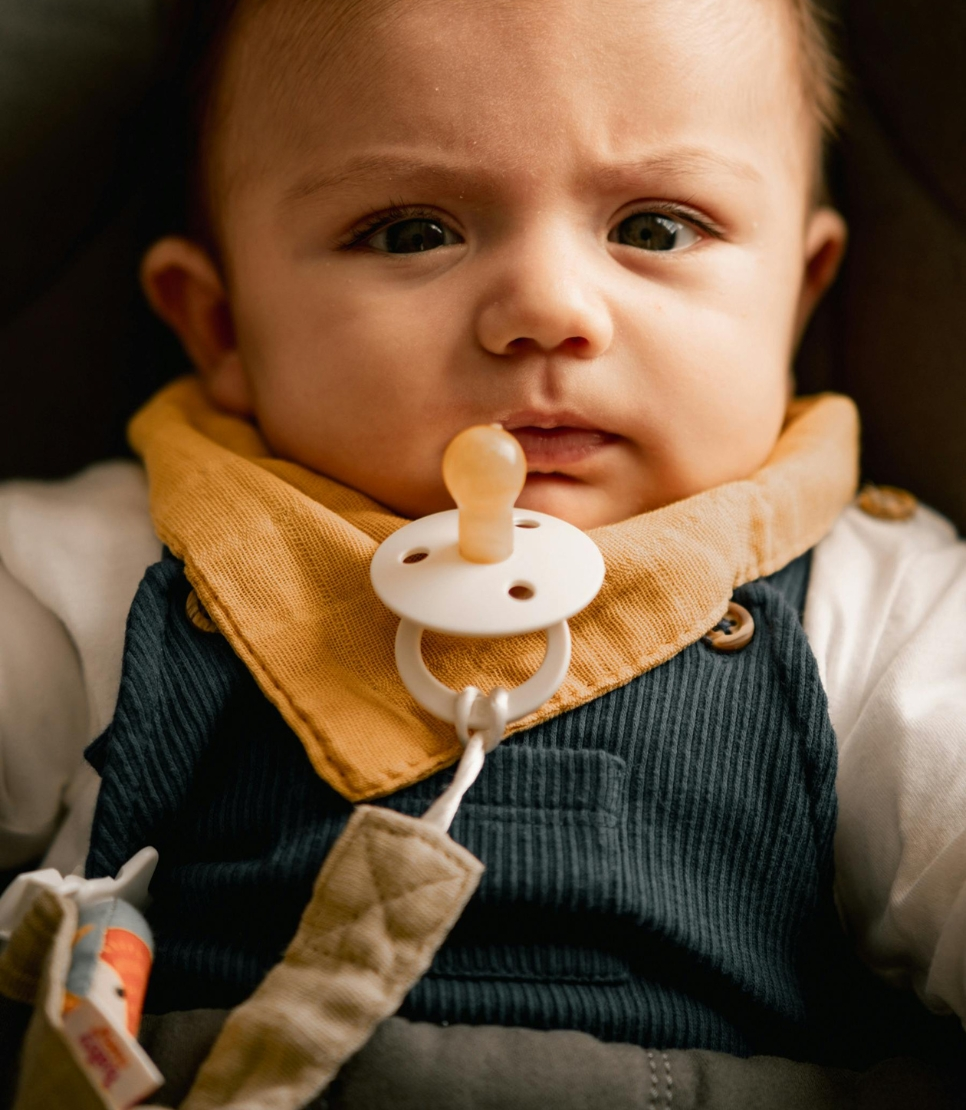
A pacifier accompanies many young children and serves as emotional support during difficult moments. However, prolonged use can significantly affect the development of the oral cavity and the ability to speak correctly. Numerous scientific studies published in pediatric dentistry journals confirm the importance of limiting pacifier use. They indicate that bite-related damage may worsen as the pacifier-sucking period extends beyond the age of 2–3 years.
Prolonged Pacifier Use and the Bite
Long-term use of a pacifier can affect the development of a child’s bite. During the period of rapid growth, when the jawbones are still developing, continuous sucking on a pacifier applies specific pressure to the teeth and soft tissues. As a result, this may lead to the development of bite disorders such as open bite or prognathism, which may later require orthodontic treatment. According to dental studies, to minimize the risk of unfavorable changes in the oral cavity, it is recommended to begin limiting pacifier use around 12 to 18 months of age.
Pacifier Use and Speech Development
Excessive use of a pacifier can also interfere with proper speech development. The formation of sounds and articulation largely depend on the positioning of the tongue, palate, and teeth. If a child constantly has a pacifier in their mouth, the tongue assumes an unnatural position, which can delay or hinder the correct pronunciation of certain sounds. Some speech therapists emphasize that children who give up the pacifier at the right time generally have an easier start in developing speech and are less likely to require additional speech therapy.
How to Wean a Child Off the Pacifier
Effectively limiting pacifier use can be a challenge, but there are strategies that can support both children and their parents during this process.
A helpful approach is the “small steps” method. Allowing pacifier use only during specific times of the day — for example, only at bedtime — helps ease the transition toward giving it up completely. It’s also important to introduce engaging rituals and alternative activities that can distract the child from the pacifier.
Older toddlers can be told that the pacifier is now needed by other, younger children — this helps build a sense of responsibility and pride in reaching new "grown-up" milestones.
Many parents opt for a so-called “magic ritual.” The essence of this idea depends on your creativity and preferences. You might suggest that the child place the pacifier in a special box for a fairy to collect, tie it to a balloon and let it float into the sky, or bury it in the garden so it can grow into a big tree.
Child’s Oral Hygiene
To avoid complications resulting from prolonged pacifier use, regular oral hygiene is essential. Developing the habit of daily care for teeth and gums is best started from an early age. Even before the appearance of the first teeth, gentle cleaning of the oral cavity with a gauze pad or a silicone finger brush should be introduced. Once the first teeth appear, a toothbrush appropriate for the child’s age and a small amount of toothpaste with the proper fluoride content should be used.
Introducing a children’s sonic toothbrush is a great idea, as it helps build good habits and ensures effective tooth cleaning. Proper hygiene, combined with regular dental check-ups, allows for the early detection of potential issues and prevents them from worsening.
Everyday Prevention
Proper prevention is based on a mindful approach to a child’s developmental needs. Good oral hygiene, regular check-ups with a specialist, and gradual, patient weaning from the pacifier help prevent many future problems. According to the American Academy of Pediatrics (AAP), discontinuing pacifier use by age 2 often leads to the natural correction of minor tooth alignment issues, provided they haven’t yet become permanent.
Your child’s healthy smile is the best investment in their development and well-being.