How to choose a good toothpaste?
Choosing the right toothpaste can be quite a challenge, especially when you see dozens of different products on store shelves, all of which promise ideal results. How not to get lost in the assurances of the manufacturer, how to know that the paste will meet our expectations, and whether it is necessary to rinse with water? These and other questions will be answered in the following article.
Set your expectations
The first step to choosing the right oral cosmetic is to determine what effect we expect from it. We are not talking about aesthetic or taste qualities, although they are also important. In this paragraph, we will focus on what positive effects the regular use of a properly selected product can bring.
The role of toothpaste is primarily to support your daily work with a given challenge. Are you concerned with topics such as hypersensitivity, bleeding gums, or perhaps tooth decay? Specialized products for home use will be an important addition to the treatment. If you are fortunate enough not to have a problem with the above ailments, your goal should be to take thorough and effective care of your mouth to keep it healthy. A good toothpaste will be your ally.

Today, various active ingredients are used in dental cosmetics to help fight specific problems. For example, if you have hypersensitivity, it is worth choosing a paste with potassium nitrate or strontium chloride. On the other hand, for those who are fighting tooth decay, the traditional recommendation is to fluoride toothpastes.
We also encourage you to pay attention to hydroxyapatite. We use it in all SEYSSO toothpastes because of its biocompatibility and powerful strengthening and remineralizing abilities. With regular and long-term use, you will also notice the brightening and shine of your teeth.
It is worth noting that the home routine is not a substitute for treatment in the dental office. In case of illness, discomfort and other discomforts, always consult a doctor. Let's also remember to have a regular preventive check-up.

How to choose toothpaste for your child?
Choosing children's products involves even more caution than for adults. It is worth noting, in particular, the fluoride content. Since the youngest are the most susceptible to the development of tooth decay, it is recommended to use children's toothpaste with 1000 ppm fluoride content. Parents often go for products with an inviting design and a nice fruity taste. This helps get the child used to brushing teeth regularly and maintain the brushing habit.

Don't rinse, spit out
Strange? We do not doubt! At first, it is difficult to get used to not rinsing toothpaste with water. However, if we are talking about a good quality product, it is recommended to just spit out the excess after finishing brushing your teeth.

This is due precisely to the content of active ingredients. Most of them need time to successfully fulfill their task - for example, to adhere to the enamel or reach the carious focus. Protective properties also reach full effectiveness when their thin layer stays on the teeth longer. This helps to better prevent the development of caries.
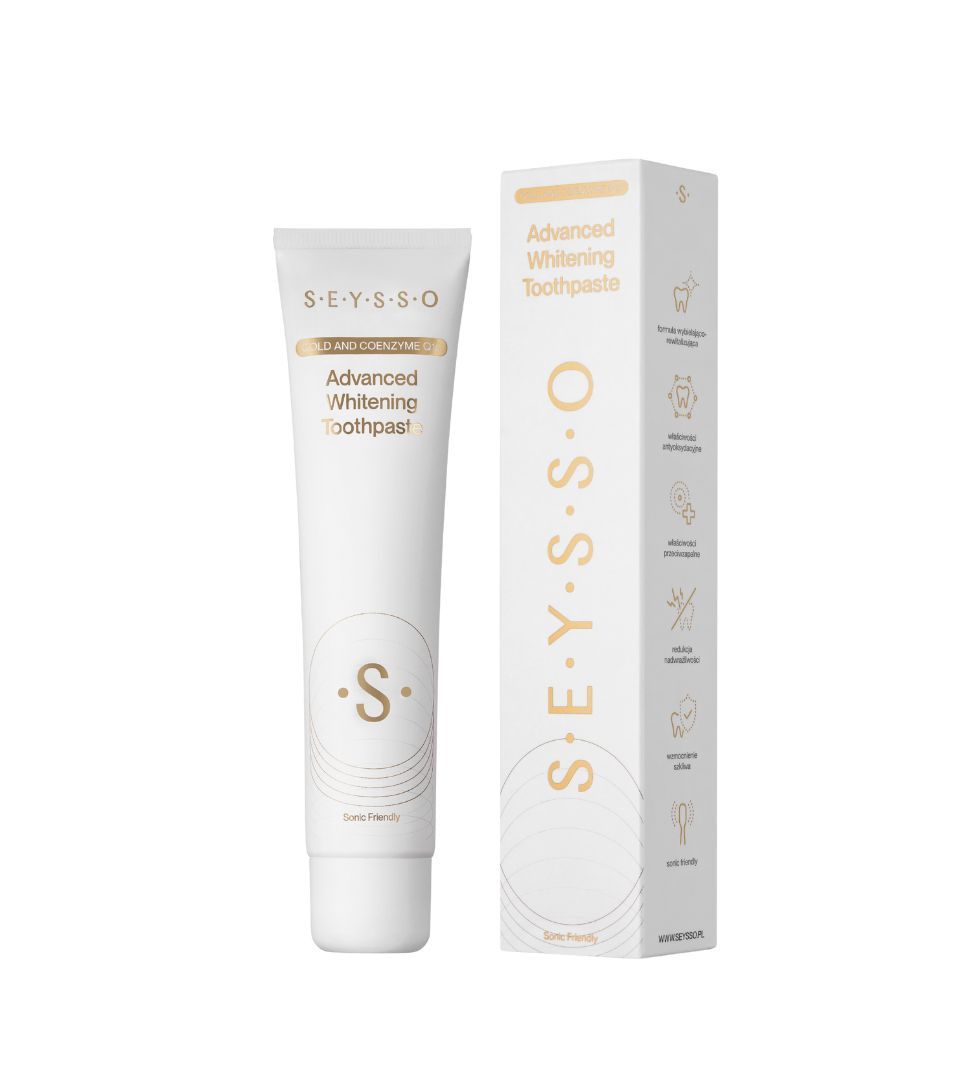
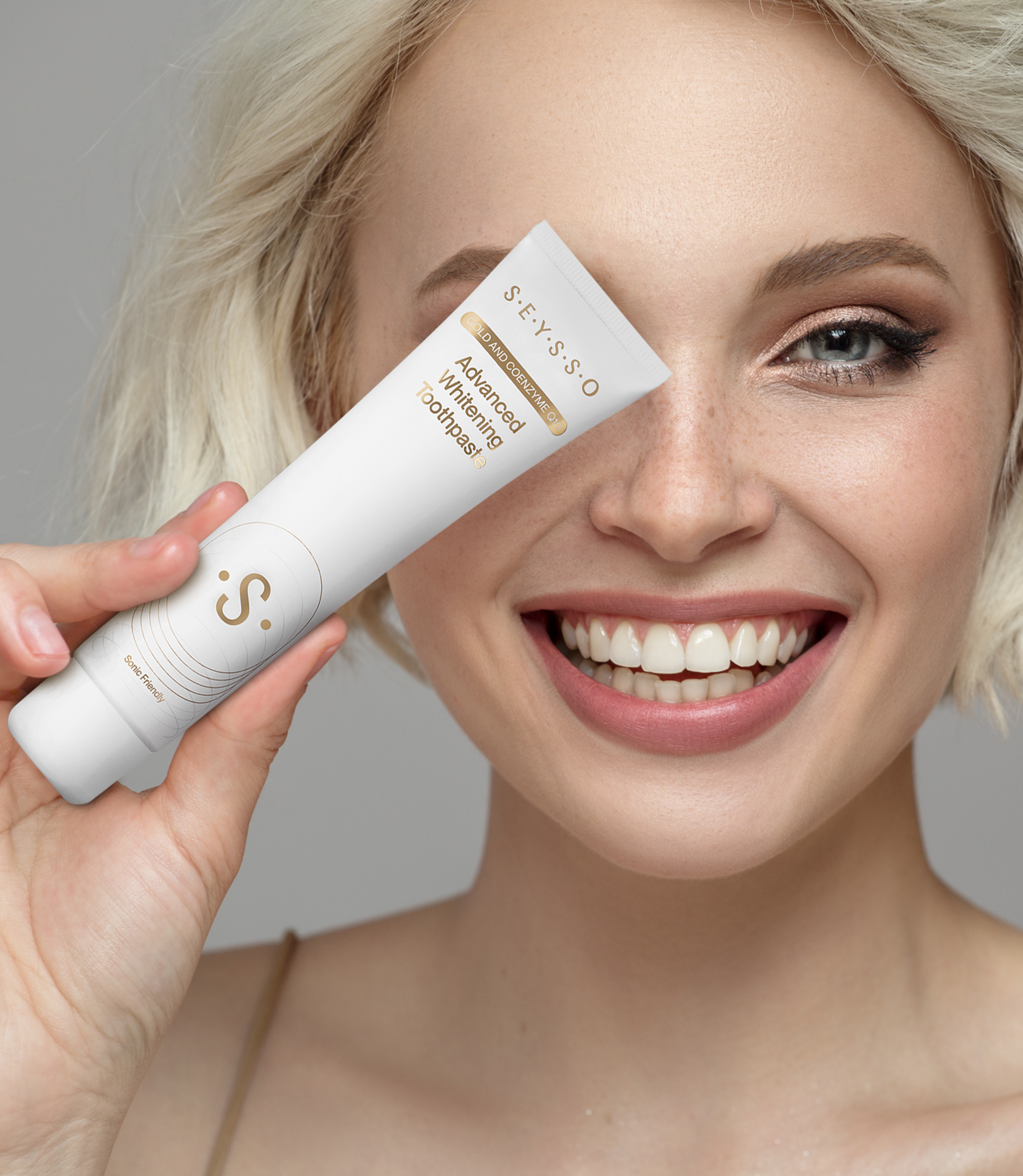
In SEYSSO cosmetics we also use other substances that have a positive effect on the appearance and condition of our smile. An example is SEYSSO Gold Advanced Whitening paste, which contains gold particles and coenzyme Q10. For best whitening results, it is advisable to use it regularly and leave it on the surface of the teeth, only getting rid of the excess.

What about the foam?
It can be said about most of the easily available pastes that they foam heavily. Therefore, the desire to rinse the mouth with water after finishing washing is quite natural. For some consumers, whether the toothpaste foams is very important. They believe that this aspect demonstrates the quality and effectiveness of the product. However, they are not right.
The foaming of the paste depends mainly on the presence of surfactants such as sodium lauryl sulfate (SLS). SLS is an agent that is designed to increase the amount of foam produced, which can give the user a feeling of better "cleaning" of the teeth. Unfortunately, this feeling is rather subjective and does not necessarily reflect the actual effectiveness of the paste. What's more, using such aggressive detergents can do more harm than good.
SLS - common, yet harmful
Sodium lauryl sulfate (SLS), which is responsible for foaming, is a powerful cleansing ingredient. Its active action in the oral cavity can cause irritation of the mucous membranes and, in some people, cause various types of allergic reactions. Those struggling with afts, sensitivity or gum pockets should consider SLS-free toothpastes, which are gentler and less irritating. Otherwise, there may be extreme painful sensations and exacerbation of the existing ailment.

Contrary to what you might think, excessive foaming of toothpaste can reduce the effectiveness of tooth brushing, as a large amount of foam often gives a false sense of cleanliness, thus reducing brushing time. In addition, it makes it difficult to reach remote areas of the mouth or interdental spaces.
Choosing cosmetics that thoroughly but gently take care of your teeth will bring the best results in the long run.